How Machine Learning Improves Enterprise Architecture Models?
 Machine Learning (ML) is a subfield of artificial intelligence aiming to teach computers to think the same way humans do. Data is used to train an algorithm that identifies and discovers patterns and makes predictions for new cases. Using ML is not uncommon. Examples include financial institutions using ML to detect potential cases of fraud….
 So far in our blog series, the capability models we’ve used are relatively simple in terms of their structure. In our previous blog post on capability measurement, we already promised to provide more detail on how you can model capabilities over time and how to describe different instances. In larger organizations, the same business capability…
 ArchiMate is the modeling language of choice for most enterprise architects. When ArchiMate is communicated to a business audience, however, the default visualization is often perceived as too technical. To solve this, Bizzdesign is creating alternative ways of visualizing ArchiMate models, such as the Metro Map. The new Metro Map view visualizes dataflow or processes…
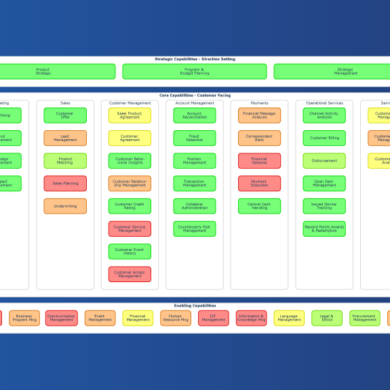 As we explained in our previous blog on capability assessment, to effectively assess Capabilities and execute Capability-Based Planning, we need to define three dimensions: Strategic Importance, Capability Maturity, and Adaptability, and measure them. Simply put, the first dimension lets you prioritize those capabilities that are most important to your enterprise; the second focuses on where…
 Architects are typically professional at creating designs, analyses and plans that set their audiences in motion. However, to captivate your audiences, it’s important to create appealing visuals to convey a key message successfully. Yet, if your visuals are not presented with adequate context and structure, the impact of your message is limited at best. How…
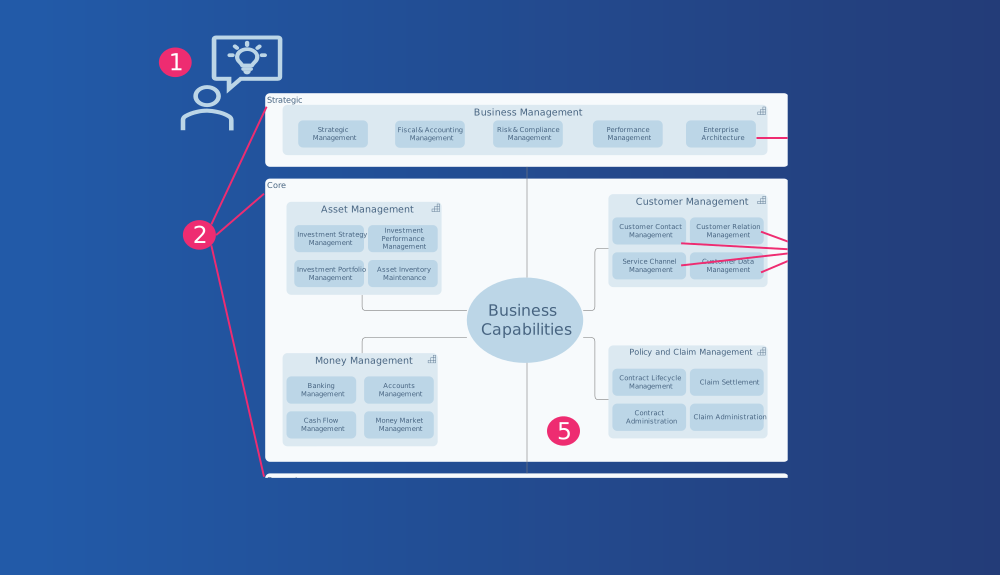 Value is delivered to the enterprise when Capability Maps are readily accepted and adopted as a strategic planning tool. Business stakeholders can make data-driven decisions and align and prioritize investment decisions, among others. In part 1 of our blog series on Business Capability Maps, we’ve identified design principles focusing on the stakeholders consuming the Capability…
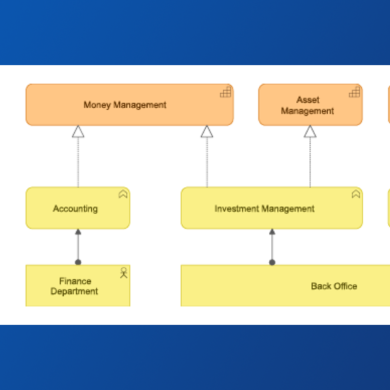 In our previous blog in our series on Capabilities and Capability-based Planning, we discussed the relationships between strategy, business models and capabilities. Now we want to delve one level deeper into the operating model of the enterprise. We want specifically to answer: How are capabilities delivered by the enterprise’s operating model? How they all relate:…
 Interviews are where jobs are won or lost. A résumé – especially a strong one – will ensure you get your foot in the door but to actually secure the position you need to shine during the interview, which means being prepared. Preparation makes you look knowledgeable and relaxed, two traits that people generally prize…
 In our ongoing blog series on Capabilities and Capability-based Planning, we’ve mainly concentrated on the capability concept itself. We’ve discussed why capabilities are useful as a concept, how to define them, and how to structure Capability Maps. We’ve also looked at how you can use Capability Maps to support business challenges such as investment decision-making,…