Linking Capabilities to the Operating Model: Business Functions and Organizational Structure
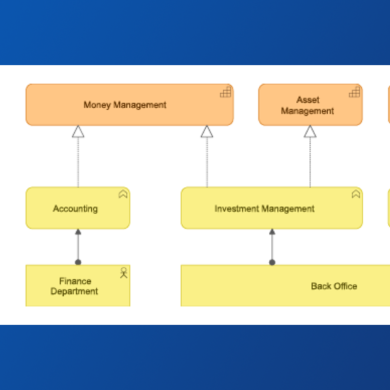 In our previous blog in our series on Capabilities and Capability-based Planning, we discussed the relationships between strategy, business models and capabilities. Now we want to delve one level deeper into the operating model of the enterprise. We want specifically to answer: How are capabilities delivered by the enterprise’s operating model? How they all relate:…
 Interviews are where jobs are won or lost. A résumé – especially a strong one – will ensure you get your foot in the door but to actually secure the position you need to shine during the interview, which means being prepared. Preparation makes you look knowledgeable and relaxed, two traits that people generally prize…
 In our ongoing blog series on Capabilities and Capability-based Planning, we’ve mainly concentrated on the capability concept itself. We’ve discussed why capabilities are useful as a concept, how to define them, and how to structure Capability Maps. We’ve also looked at how you can use Capability Maps to support business challenges such as investment decision-making,…
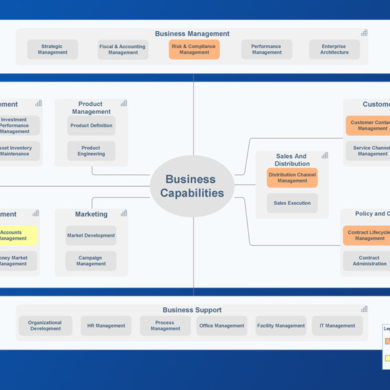 Today we live in a rapidly changing world. Senior management is faced with various change initiatives to improve the different functions of an enterprise. All of these change initiatives are backed by well-informed arguments and compete for budgets. Although strategic management has access to a vast amount of information and tools to support strategic, tactical,…
 Olga Lucia Salgado, a senior enterprise architect at a privately held manufacturing company, used to rely too much on Excel and SharePoint for enterprise architecture (EA) information. She and her team came to the conclusion that an EA tool was needed to help them mature and organize their information and analysis. After evaluating a number…