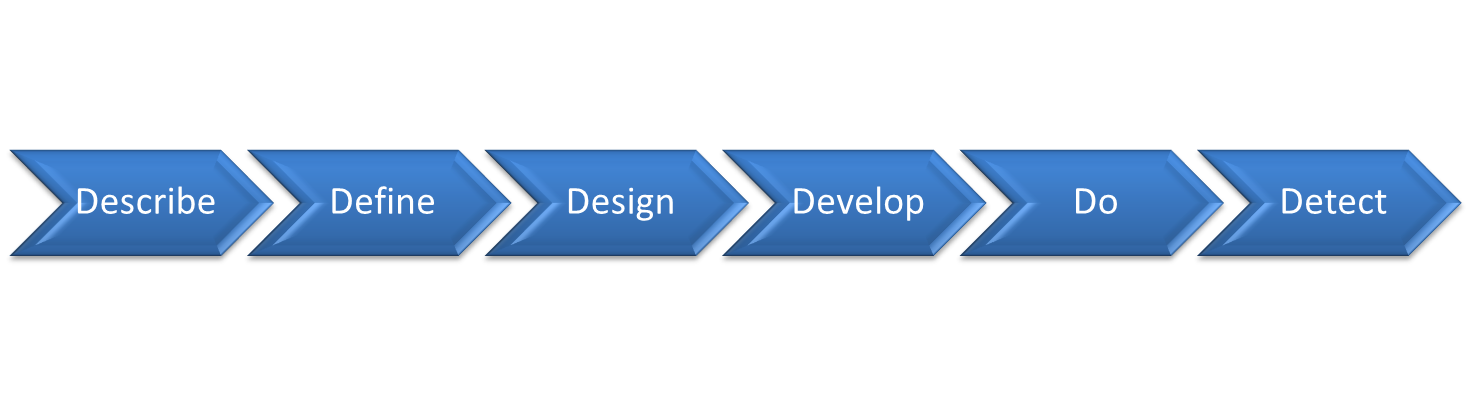
By looking at the GLUE Disciplines and how to GLUE Disseases one of my main goals is always to optimize the flow of information and reduce waste. Which brought the idea behind this post onto the surface of my thinking.
“Short as life is, we make it still shorter by the careless waste of time”,
Victor Hugo (1802 – 1885)
So what is waste in GLUE. How to find waste and how to eliminate or at least minimize it. The GLUE Disciplines play a major role here, because they are motivating the action to deliver a solution.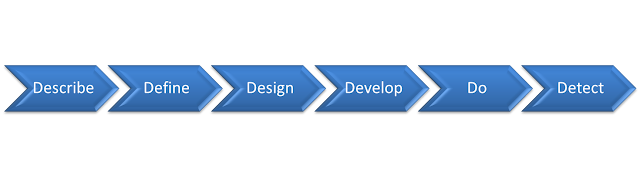
-
Describe Intention does not add value. The pure description of the intention does not give any further value to the existing solution. It might guide towards a future state of the solution. The interesting thing about Describe Intention to me is that many investments are made based on a fuzzy statement about a potential To-Be future. As stated in Enterprise Architecting Past, Future or Present I do not believe that the future is really truly predicable, so good luck with your investment bet.
- Define Requirements does not add value. The definition of the requirements does not give any further value to the existing solution. It might give a fairly good picture on how a potential future of the solution can look like. The interesting thing about Define Requirements to me is that many decisions are made based on requirements as if they are facts.
- Design Architecture does not add value. The organization of requirements into elements does not give any further value to the existing solution. It might provide a reasonable split between the elements and might order and organize them. The interesting thing about Design Architecture to me is that many architecture To-Be documents are treated as if the problem is already solved.
- Develop Solution adds value. Here something is added to an existing solution and therefore adds value to the existing. (under the assumption that it was done in an educated and careful way).
- Do Operation does not add value. Running any solution does not add value, but only supports in keeping the existing value alive. The interesting thing about Do Operate to me is that there is quite often the believe that execution excellence (Do Operate) adds value, even though it only maintains the current.
- Detect on Solution does not add value. Inspecting if an solution is fit for purpose does not add value, but only checks if value was delivered or the execution is still done in the right way. The interesting thing about Detect to me is that quite often a high maturity assessment results leads to the believe that a solution is excellent.
So the real value add inside the GLUE model is only on the Develop Discipline:
So why are we doing all these activities. Reality is that we have to take into account the persons who do the activities and in most cases people can not (or are not allowed to) see the full holistic picture of the solution.
But in a total idealistic world or an GLUE Utopia the only really needed deliverable would be based on Development activities. In this case no waste would be generated and all time spend would be dedicated to the development of the existing solution. So when I look at any given method or tool at hand I try to find one which is minimizing on waste and I try to only generate the waste I absolutely must generate. Being an Enterprise Architect myself there is quite some waste I could generate for the only real value add which is Development:
I am happy to hear about your thoughts and comments.