Link: https://www.eatransformation.com/p/the-quiet-death-of-enterprise-architecture
From Enterprise Architecture Transformation: A Practical Guide
In many organizations, enterprise architecture (EA) does not fail with a dramatic decision. It simply fades away.
There is rarely a moment when leadership gathers in a meeting room and formally declares that the architecture function has not delivered what was promised (although I have occasionally seen that happen). No official memo circulates explaining that the organization will now move forward without EA work.
Instead, something much quieter happens. EA fades away gradually, through small changes and shifting priorities, until the function no longer plays a meaningful role in the organization’s development.
This slow disappearance is surprisingly common. If you talk to architects across different organizations, you will hear familiar stories. EA was once an ambitious initiative with clear goals and strong support. There were plans, models, governance structures, and discussions about long-term transformation.
Yet a few years later, the same organization may struggle to explain what the EA function actually does—or whether it still exists at all. The repository may still be there. The architects may still have their titles. But very few real decisions are influenced by architecture anymore.
The Enthusiastic Beginning
Most EA initiatives start with genuine enthusiasm. For example, the organization realizes that development has become fragmented. Applications overlap, projects move in different directions, and decision-makers lack a coherent view of how the organization actually operates. Strategic initiatives depend on dozens of interconnected applications and processes, but nobody has a clear picture of how they fit together.
At that moment, EA sounds like exactly the kind of capability the organization needs. Leadership hopes that architecture will bring structure to development and help decision-makers see the bigger picture. Architects are appointed, an operating model is designed, and architecture tools are selected. Workshops are organized to describe capabilities, processes, applications, and technology platforms. Diagrams begin to appear that finally make the organization’s complexity visible.
For a while, the energy around the initiative is high. The architecture team believes it is building something important. Stakeholders are curious about the new function. There is a sense that EA might finally bring order to the organization’s development efforts.
But this phase doesn’t last forever.
When Reality Appears
After a year or two, the excitement around EA usually settles into something more ordinary. The initial effort of launching the function has been completed. An operating model exists, the first architecture descriptions have been created, and architects have begun supporting projects and decision-making processes. At this point, the real nature of architecture work becomes visible.
EA is rarely a continuous stream of strategic breakthroughs. Much of the work is routine. Architecture descriptions need to be updated, meetings follow a regular agenda, and projects require architectural input as applications and processes gradually change.
In other words, architecture becomes part of everyday organizational work. In many ways this is exactly what success looks like. EA is no longer a special initiative but a normal part of how development is guided.
But this is also the phase where subtle problems can begin to emerge.
The Slow Erosion
Once EA has settled into everyday work, its long-term success is no longer determined by the initial launch. Instead, it depends on whether the function continues to stay relevant to the organization’s real needs.
This is where things often become complicated. EA rarely collapses because of one dramatic mistake or a single bad decision. More often, the problems appear gradually and from several directions at once.
Some of these challenges come from within the architecture work itself. Others emerge from the surrounding organization—changing priorities, project pressures, or simple loss of attention. None of them looks particularly serious in isolation, and many of them are perfectly understandable responses to everyday work situations.
Sometimes architects drift into discussing architecture mainly with other architects, while conversations with the people actually running projects and making decisions become less frequent. Architecture content may also easily become increasingly detailed and technically refined, but the topics being modeled are so specific that very few stakeholders find them useful.
It is also possible that very little modeling happens at all. Architecture work may consist mostly of meetings, advice, and occasional diagrams created for individual initiatives, without a coherent architectural view being maintained over time.
None of these situations necessarily looks alarming in the moment. But over time they can begin to pull architecture away from the decisions it was originally meant to support.
When several of these small shifts happen at the same time, the architecture function may slowly drift into a position where it still exists on paper, but plays a smaller and smaller role in guiding actual development.
When Interest Begins to Fade
What makes the situation particularly interesting is that this erosion rarely triggers any dramatic reaction. There is usually no meeting where leadership suddenly questions the value of EA. Instead, interest on it gradually fades.
Stakeholders who once attended architecture workshops with curiosity begin focusing on their own operational concerns. Projects move forward under tight schedules, and architecture involvement becomes less visible. Over time people simply stop expecting architecture to play a significant role in everyday decisions.
A similar shift may happen within the architecture team itself. As development pressure grows, architects are increasingly pulled into operational work. One architect becomes heavily involved in a project. Another ends up coordinating a complex initiative. Before long, architects may find themselves acting as solution designers, technical leads, or even project managers.
These assignments are usually useful for the organization. But they also mean that less time and attention is spent maintaining the shared architectural view.
No single event causes the change. Interest simply fades on multiple fronts at the same time.
When the Engine Quietly Stops
If this drift continues long enough, the change eventually becomes visible in everyday practice.
Architecture descriptions are updated less frequently. Governance meetings attract fewer participants. Projects move forward without actively seeking architectural input, not because they reject architecture but because it no longer seems necessary. In some cases architects simply move on to other roles or leave the organization, and the architecture function slowly loses the people who originally drove it forward.
The organization may still have some architects. The repository may still contain hundreds of diagrams. Architecture may even remain part of official governance documents. Yet the role of EA in guiding development has largely disappeared.
What makes this process remarkable is how quietly it happens. There is rarely a formal decision to stop EA work. The organization does not consciously abandon it. People simply stop relying on it.
And by the time someone reflects on the situation, EA has already faded into the background of the organization’s operations.
Why It Happens
The quiet death of EA usually has very ordinary causes. Sometimes architecture becomes too inward-focused, with the team spending most of its time refining models rather than supporting real decisions. In other cases the opposite problem occurs: architecture loses its structure and gradually turns into an informal advisory role with little tangible output or shared content.
Governance can also play a role. If architecture processes become too heavy, stakeholders may begin to see EA as bureaucracy rather than support. Conversely, if governance becomes too weak, architecture loses its ability to influence development and slowly fades into the background of project work.
Another common factor is simple neglect. EA work requires constant attention. Without ongoing effort, the architecture function gradually loses its relevance.
External factors can accelerate the process as well. Changes in leadership, organizational restructurings, or budget cuts can easily disrupt architecture work. A new executive team may have different priorities. A reorganization may shift responsibilities and dissolve established practices. In cost-saving situations, architecture functions are sometimes reduced simply because their benefits are not immediately visible compared to operational delivery work.
Keeping Enterprise Architecture Alive
The uncomfortable truth is that EA work does not sustain itself automatically. Launching an architecture function is only the beginning. After the initial setup, the real challenge begins: maintaining the function’s relevance over time.
EA must remain closely connected to real decisions and real development work. Architects need to support projects, participate in strategic discussions, and maintain a clear and usable view of the organization’s structure. The architecture content must stay understandable and up to date, and stakeholders must experience its value in their daily work.
Perhaps most importantly, the benefits of architecture must remain visible. Architecture rarely survives on promises alone. It survives when people across the organization can clearly see how it helps them make better decisions.
Keeping the function alive also requires persistence from those leading it. Most often EA work fades because nobody consistently pushes it forward. Maintaining architecture work means continuing to update the content, engaging stakeholders, communicating benefits, and defending the function’s role even when attention shifts elsewhere.
In practice, this often demands a fair amount of stubbornness from the people responsible for EA. The work requires someone who keeps the effort moving forward, even when the excitement of the early phase has passed and the work has become routine. Without that kind of persistence, architecture can slowly drift into the background—until it eventually disappears from everyday development altogether.
A Question Worth Asking
For anyone working in EA, there is one uncomfortable question worth considering.
If the architecture team stopped attending meetings for the next six months, what architectural understanding would remain in the organization?
Would the shared view of processes, applications, and dependencies still be available and used? Or would that understanding slowly disappear together with the architects themselves?
The answer reveals something important—not only about the quality of the architecture descriptions, but about whether EA in the organization is truly embedded in its way of working. Or quietly fading away.
Author News
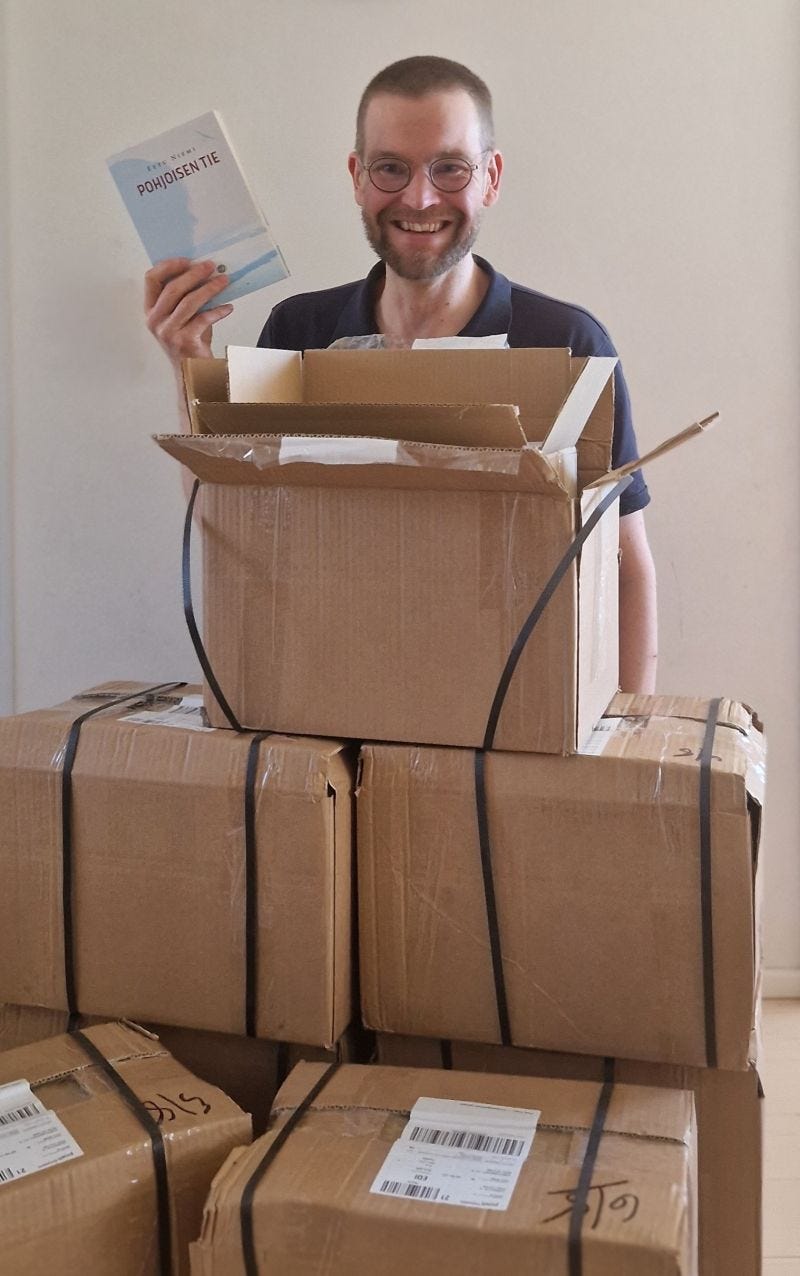
In addition to writing about consulting, expert careers, and architecture, I also write fiction. My debut novel Pohjoisen tie (The Northern Road) was recently published in Finnish. It follows a daughter searching for answers after her father disappears during a glider flight.
If you happen to read Finnish and are curious, the book can be ordered also directly from the author.
🔗 You May Also Like
Looking to dive deeper? Here are more enterprise architecture insights you might find useful:
👨💻 About the Author
Eetu Niemi is an enterprise architect, consultant, and author.
Follow him elsewhere: Homepage | LinkedIn | Substack (consulting) | Medium (writing) | Homepage (FI) | Facebook | Instagram
Books: Enterprise Architecture | The Senior Expert Career Playbook | Technology Consultant Fast Track | Successful Technology Consulting | Kokonaisarkkitehtuuri (FI) | Pohjoisen tie (FI) | Little Cthulhu’s Breakfast Time
Web resources: Enterprise Architecture Info Package (FI)
📬 Want More Practical Enterprise Architecture Content?
Subscribe to Enterprise Architecture Transformation for real-world advice on architecture that supports change, strategy, and delivery.
